You are not alone. Millions of adults deal with blood sugar spikes, energy crashes, and the frustration of feeling like nothing truly works. GlycoFree is a natural dietary supplement gaining attention as complementary support for healthy glucose metabolism. It is not a miracle fix, but a formula worth understanding on its own terms.
* Independent evidence-based review. Results vary. Not a substitute for medical advice or treatment.

When you eat carbohydrates, your body breaks them down into glucose, which enters your bloodstream and triggers the pancreas to release insulin, the hormone that moves glucose into your cells for energy. In a healthy system, blood sugar rises moderately after meals and returns to baseline relatively quickly.
When cells stop responding efficiently to insulin (a condition known as insulin resistance), blood sugar tends to stay elevated longer than it should. This leads to the fatigue, afternoon energy crashes, and brain fog that many adults experience daily without always understanding the cause.
Insulin resistance tends to compound with age, sedentary behavior, poor dietary habits, and chronic stress. It is a systemic metabolic issue that develops gradually over years, which is precisely why quick fixes rarely produce lasting results.
Crash diets, skipping meals, or relying on willpower address symptoms rather than the underlying mechanisms of glucose metabolism. Without consistent lifestyle support, and sometimes targeted nutritional supplementation, the cycle of spikes and crashes tends to continue.
Botanical and nutritional supplements like GlycoFree may provide complementary support by targeting specific pathways including insulin signaling, glucose transport, and gut microbiome health, when used alongside a healthier diet and regular physical activity.
Important context: Supplements are not medications. They work within modest, realistic boundaries and are not a substitute for foundational lifestyle changes or medical treatment for diagnosed conditions.
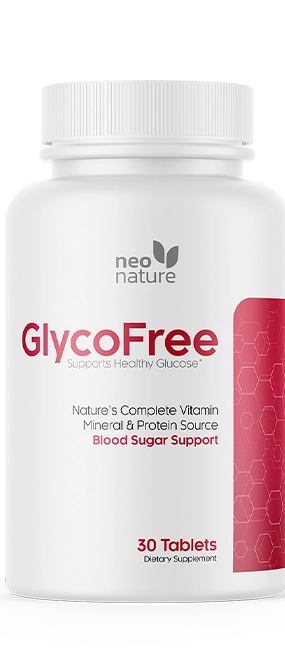
GlycoFree is a natural dietary supplement formulated by Neo Nature to support healthy glucose levels already within the normal range. It is not a medication, and it makes no claims to diagnose, treat, or cure any condition, including diabetes or pre-diabetes.
The supplement comes in tablet form, with each container holding 30 tablets, providing a full 30-day supply at one tablet per day. The formula targets glucose metabolism support through a combination of a transparently dosed mineral, botanical extracts, prebiotics, and an essential amino acid.
According to the product label, GlycoFree is manufactured in a GMP-certified facility in the USA, a meaningful indicator of consistent manufacturing quality and safety standards, though this does not independently verify efficacy claims.

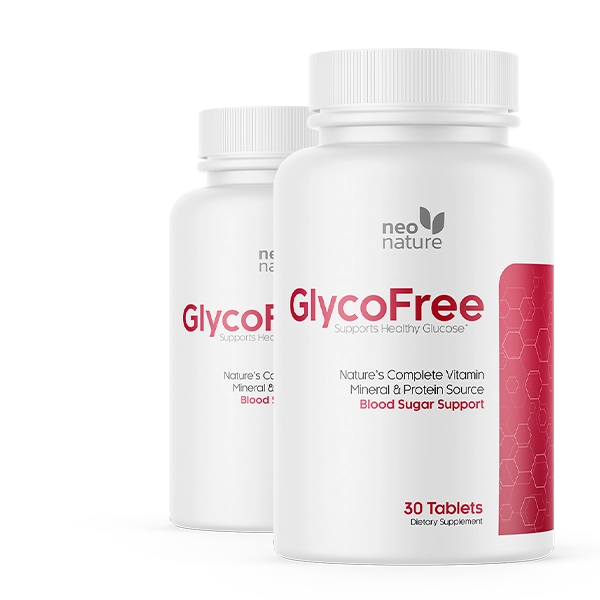
Rather than relying on a single pathway, GlycoFree's formula is designed to work across three complementary physiological mechanisms. Here is an honest breakdown of each, including realistic expectations based on available ingredient research.
Chromium (400 mcg) and berberine HCl both target insulin receptor sensitivity, potentially helping cells respond more efficiently to insulin signals, supporting more effective glucose uptake from the bloodstream after meals and reducing prolonged post-meal elevations that drive energy crashes.
Banaba extract (1% corosolic acid), cinnamon extract 10:1, and gymnema pentaphyllum are included for their studied effects on glucose transport into cells. Corosolic acid in particular may support glucose uptake via transporter proteins, and research suggests it may be effective at relatively lower doses compared to other botanicals in the formula.
Inulin from chicory root provides prebiotic fiber that feeds beneficial gut bacteria. Emerging research increasingly connects gut microbiome health to metabolic function and insulin sensitivity. This layer operates as a long-term foundation rather than a rapid-acting mechanism, and requires weeks of consistent use to potentially contribute.
Honest Clarification: GlycoFree as a finished product has not been clinically studied. The mechanisms above are based on ingredient-level research, frequently conducted at doses higher than those likely present in this formula's 200 mg proprietary blend. Individual results will vary based on baseline health, diet, lifestyle, and physiology.
User Pattern Analysis: These observations reflect common user-reported patterns, not individual testimonials or guaranteed clinical outcomes. "Many users report…" framing used throughout.
Many users report that the first week feels largely uneventful, which is normal for any supplement working through metabolic pathways. Some users report mild digestive adjustment during this period, likely related to the prebiotic inulin content increasing fermentation activity in the gut. Most experienced users emphasize that patience is critical in week one; the formula needs time to establish a consistent biological presence before any noticeable changes can reasonably be expected.
By weeks two through four, many users report the first noticeable changes, particularly more stable energy levels throughout the day with fewer sharp afternoon crashes. Some users report reduced brain fog and sluggishness after high-carbohydrate meals. At this stage, many users note that improvements feel gradual and subtle rather than dramatic, which aligns with how dietary supplements realistically function through cumulative metabolic processes.
After two or more months of consistent daily use, many users report that energy and focus improvements become more established and predictable day-to-day. Some long-term users report that pairing GlycoFree with dietary adjustments such as reducing refined sugar and processed carbohydrate intake, which appears to amplify noticeable effects. Users who stopped after only 2–4 weeks generally report not having given the supplement adequate evaluation time, reinforcing the importance of a 2–3 month minimum commitment before drawing conclusions.
GlycoFree contains one transparently dosed standalone ingredient (chromium) and a proprietary blend of seven additional ingredients totaling 200 mg. Each compound has independent research interest, but the blend structure creates a transparency limitation that honest evaluation cannot overlook.
Chromium is an essential trace mineral with a direct role in insulin signaling pathways, specifically supporting how insulin receptors respond to glucose uptake signals in cells.
Research on chromium supplementation has produced mixed results overall. However, some meta-analyses of chromium trials found small but statistically significant effects on glucose metabolism markers, with variability attributed to individual baseline chromium status and dietary intake.
At 400 mcg, GlycoFree's chromium dose falls within the range used in clinical research, making this the formula's strongest and most independently evaluable ingredient. It is also the only ingredient with a fully disclosed individual dose.
Individual ingredient amounts are not disclosed. The following analysis is based on available ingredient-level research only.
(from Phellodendron amurense bark)
One of the most extensively researched natural compounds for metabolic support, berberine is studied for its activation of AMPK, an enzyme central to cellular energy regulation and glucose uptake into muscle cells.
Clinical research showing meaningful effects on glucose metabolism has used doses of 500–1,500 mg daily. The amount present in this 200 mg shared blend is almost certainly a fraction of that range.
⚠️ Drug interaction warning: Berberine has been shown to interact with cytochrome P450 enzymes and drug transporters, potentially affecting how certain medications are processed. Anyone on prescription medications must consult their healthcare provider before use. This is not theoretical. It warrants genuine clinical caution.
(Cinnamomum cassia bark)
Cinnamon is among the most widely studied botanicals in blood sugar support research, with proposed mechanisms involving insulin sensitivity and glucose transporter activity in skeletal muscle.
Research results have been inconsistent. Some meta-analyses find insufficient evidence for firm conclusions, while individual trials show modest effects on fasting glucose. The 10:1 extract ratio provides more potency per milligram than raw cinnamon powder.
Typical research uses 1,000–6,000 mg cinnamon equivalent daily. The amount within a 200 mg shared blend is substantially below these studied amounts.
(Lagerstroemia speciosa leaf, 1% Corosolic Acid)
Banaba leaf contains corosolic acid, studied for its support of glucose uptake into cells via glucose transporter (GLUT4) proteins, making this one of the more mechanistically specific ingredients in the formula.
Importantly, research on banaba suggests effects may occur at relatively lower doses compared to many other botanical compounds, which makes it one of the more viable ingredients within a proprietary blend constraint. The 1% corosolic acid standardization confirms quality control.
This is one ingredient where the proprietary blend's dose limitation may be less impactful than for higher-dose requirements like berberine or gymnema.
(leaf)
Gymnema, used for centuries in Ayurvedic medicine, contains gymnemic acids studied for effects on taste perception (reducing the perceived sweetness of foods) and potential support for insulin function and intestinal glucose absorption.
Some research has shown promising results at 200–400 mg of standardized gymnema extract daily. The amount present within a 200 mg shared blend would be below this range.
Included for its multi-pathway potential, though expectations should be calibrated to the likely sub-research-level dose present in this formula.
(from Chicory Root)
Inulin is a prebiotic dietary fiber that selectively feeds beneficial gut bacteria, contributing to a healthier gut microbiome. Emerging research increasingly links microbiome health to metabolic function, insulin sensitivity, and systemic inflammation markers.
Research doses typically use 10–20 grams of inulin daily, far exceeding anything a 200 mg blend could provide. At doses likely present here, inulin may offer mild prebiotic benefits but cannot replicate effects seen in dedicated inulin studies.
Inulin is also the most probable contributor to the mild first-week digestive adjustment some users report, as prebiotic fermentation in the gut can temporarily increase gas production.
(Momordica charantia)
Bitter melon is a traditional remedy used across Asian and African medicine traditions for blood sugar support, containing compounds including charantin, vicine, and polypeptide-p studied for potential effects on insulin function.
Clinical research on bitter melon has produced mixed results across trials, with variability attributed to preparation method, dose, and study population. Research doses typically involve 1,000–2,000 mg equivalent daily.
The 4:1 extract concentration improves potency over raw material, but the proprietary blend's 200 mg total capacity remains a meaningful dose constraint for this ingredient.
L-Leucine is an essential branched-chain amino acid more commonly associated with muscle protein synthesis than blood sugar support. Some research explores its effects on insulin signaling and muscle glucose uptake. Its inclusion in a glucose support formula is less conventional, and at the low doses likely present in the blend, significant metabolic effects would not be expected from this ingredient alone.
Proprietary Blend Transparency Limitation: Seven of GlycoFree's eight ingredients are grouped into a single 200 mg proprietary blend, meaning individual ingredient amounts are not disclosed on the label. With seven compounds sharing 200 mg total, the vast majority cannot be present at the doses used in the clinical research cited above. Berberine studies use 500–1,500 mg/day; cinnamon studies use 1,000–6,000 mg equivalent/day; gymnema studies use 200–400 mg/day. A 200 mg combined total cannot deliver research-level doses for most of these ingredients simultaneously. This is a mathematical certainty, not speculation.
What this means in practice: This does not mean the blend provides zero value. Synergistic combinations at sub-clinical doses may produce effects not captured by single-ingredient trials, and individual responses vary. But responsible evaluation requires acknowledging this limitation clearly, rather than implying the formula delivers what clinical studies achieved at far higher doses.
Each bottle of GlycoFree contains 30 tablets, providing a full 30-day supply at one tablet daily. Below is an objective comparison of disclosed versus typical clinical research doses for each ingredient:
| Ingredient | GlycoFree Amount | Typical Research Range | Dose Assessment |
|---|---|---|---|
| Chromium (Chromium Polynicotinate) | 400 mcg (disclosed) | 200–1,000 mcg/day | Within Range ✓ |
| Berberine HCl | Undisclosed (in 200 mg blend) | 500–1,500 mg/day | Likely Sub-Clinical |
| Cinnamon Extract 10:1 | Undisclosed (in 200 mg blend) | 1,000–6,000 mg equiv./day | Likely Sub-Clinical |
| Banaba Extract (1% Corosolic Acid) | Undisclosed (in 200 mg blend) | ~16–48 mg corosolic acid | Possibly Adequate |
| Gymnema Pentaphyllum Extract | Undisclosed (in 200 mg blend) | 200–400 mg/day | Likely Sub-Clinical |
| Inulin (Chicory Root) | Undisclosed (in 200 mg blend) | 10,000–20,000 mg/day | Likely Sub-Clinical |
| Bitter Melon Extract 4:1 | Undisclosed (in 200 mg blend) | 1,000–2,000 mg/day | Likely Sub-Clinical |
| L-Leucine | Undisclosed (in 200 mg blend) | Varies by application | Likely Sub-Clinical |
Summary: GlycoFree's dosage transparency is partial. Chromium at 400 mcg is its clearest strength: disclosed, within research ranges, and independently evaluable. The proprietary blend structure for seven remaining ingredients makes it impossible to independently assess whether most compounds are present at meaningful doses. This is the formula's primary limitation for evidence-minded buyers. Whether sub-clinical doses of multiple combined compounds produce synergistic benefit in individual users is a question that only clinical study of the finished product could reliably answer.
The following benefits are grounded in ingredient-level research and commonly reported user patterns, not clinical claims about GlycoFree as a finished product. Individual results vary.
By supporting healthier glucose uptake and reducing blood sugar spikes, the formula may help minimize the mid-day energy crashes that follow high-carbohydrate meals.
Chromium and berberine both target insulin signaling pathways, offering complementary support for more efficient cellular glucose absorption when combined with a healthy diet.
A single tablet per day removes the burden of multi-dose schedules, making sustained adherence more realistic for busy adults managing multiple daily responsibilities.
Rather than managing chromium, berberine, cinnamon, and gymnema as separate supplements, GlycoFree consolidates these into one daily tablet, a practical convenience advantage for routine maintenance.
Made in a GMP-certified facility in the US, confirming that consistent quality control standards are applied throughout manufacturing, which is a meaningful credibility indicator.
Inulin from chicory root feeds beneficial gut bacteria, contributing to microbiome diversity now linked in emerging research to improved metabolic regulation and insulin sensitivity.
An extended refund window, longer than the 30-day standard offered by many competitors, provides adequate time to evaluate the supplement before making a long-term financial commitment.
Not every user has a positive experience. Here are the three most frequently reported complaints, along with the realistic reasons behind them:
This is the most commonly reported complaint, and it reflects a realistic limitation of how metabolic supplements work. Blood sugar metabolism operates through gradual physiological processes, and most dietary ingredients targeting insulin sensitivity require at least 4–8 weeks of consistent daily use before any meaningful pattern becomes observable. Users who evaluate the product after only 1–2 weeks are making a judgment before the supplement has had adequate time to potentially contribute to their routine.
At $69 per single bottle, GlycoFree is priced at the higher end of the blood sugar supplement market. This is partly explained by GMP-certified US manufacturing standards and multi-ingredient formulation complexity. However, users who expect clinical-level ingredient potency at this price point may find the value proposition less compelling given that the majority of ingredients sit in an undisclosed 200 mg proprietary blend, making independent potency verification impossible without third-party testing disclosure.
Mild bloating or gas during the first 3–7 days of use is a common response to prebiotic fiber supplementation, specifically the inulin (chicory root) included in the formula. Inulin ferments in the large intestine and can temporarily increase gas production, particularly for those not accustomed to supplemental prebiotic fiber. This typically resolves as the gut microbiome adjusts. If digestive discomfort persists beyond the first week, discontinue use and consult a healthcare provider.
The blood sugar supplement market includes a large number of competing products including GlucoTrust, Sugar Defender, Gluconite, Altai Balance, GlucoBerry, and others. Without clinical head-to-head trials, no claim of superiority over competitors is supportable. The comparison below focuses on verifiable, objective product characteristics that meaningfully affect purchasing decisions.
The most honest approach is evaluating each product against your specific priorities such as ingredient transparency, refund window, manufacturing standards, and pricing, rather than accepting marketing claims about one product being definitively superior to others.
| Feature | GlycoFree | Typical Competitor A | Typical Competitor B |
|---|---|---|---|
| Signature Ingredient | Chromium 400 mcg (disclosed) | Chromium (dose varies) | Berberine-forward formula |
| Dose Transparency | Partial: chromium disclosed only | Varies (some full label) | Proprietary blend only |
| Refund Window | 90 days ✓ | 30–60 days | 60 days |
| Best Price Per Bottle | $49 (6-bottle package) | $40–$55 | $35–$60 |
| Manufacturing Standard | USA, GMP-Certified | Varies | Varies |
| Purchase Availability | Official website only | Amazon + official site | Official site only |
| Finished Product Clinical Study | Not publicly available | Rarely available | Rarely available |
| Third-Party Testing Certification | Not prominently disclosed | Varies | Varies |
* Competitor data represents general market characteristics. Individual products vary. Verify current information on each product's official website before purchasing.
Take one GlycoFree tablet once daily with a full glass of water. Taking it alongside a meal is advisable to support absorption and minimize any initial digestive adjustment from the prebiotic inulin content.
Consistency matters more than timing. Taking the supplement daily without gaps is more important than the specific time of day, as metabolic support compounds work cumulatively over weeks rather than producing immediate acute effects.
Allow a minimum of 2–3 months of uninterrupted daily use before drawing any conclusions about whether GlycoFree is contributing to your routine. Users who stop after 2–4 weeks consistently report that they did not allow sufficient time for evaluation.
Consult your healthcare provider before starting GlycoFree, particularly if you take prescription medications (given berberine's documented drug interaction potential), have a diagnosed health condition, are pregnant, nursing, or under 18 years of age.

Purchase exclusively through the official website to guarantee authenticity, refund eligibility, and access to current promotional pricing. Third-party sellers including Amazon carry risks of counterfeit products and voided guarantees.

GlycoFree is backed by a 90-day satisfaction guarantee. If you are not satisfied for any reason within 90 days of your purchase date, you can request a full refund through the official website. This extended window is one of the longest available in the supplement category and aligns with the 2 to 3 month minimum timeline needed to fairly evaluate any metabolic support supplement.
No complicated hoops to jump through. Simply contact the official support team within the guarantee window and your refund will be processed.
Always confirm current guarantee terms on the official Refund Policy page before purchasing. Promotional terms may vary. Refunds apply only to official website purchases.
Shop Risk-Free on the Official WebsiteGlycoFree is a dietary supplement designed to support healthy glucose levels already within the normal range. It is not a medication and is not intended to diagnose, treat, cure, or prevent any disease, including type 2 diabetes. It is designed to complement, not replace, a healthy diet and lifestyle.
It is intended for adults, both men and women, who want natural, complementary support for blood sugar and metabolic health alongside a healthy diet and regular exercise. It is not a replacement for medical care or physician-prescribed treatment for diagnosed conditions.
Most supplements in this category require at least 4–8 weeks of consistent daily use before any changes become noticeable. Many users report more consistent, established results after 2–3 months. Users who assess the supplement after only 1–2 weeks are unlikely to have given the formula adequate time to contribute, and should not draw conclusions that early.
Some users experience mild digestive discomfort such as bloating or gas in the first few days, typically associated with the prebiotic inulin content. This generally resolves within the first week as the gut microbiome adjusts. If symptoms persist beyond 7 days, discontinue use and consult a healthcare provider before resuming.
Not without first consulting your healthcare provider or pharmacist. Berberine, one of the formula's ingredients, has been shown in research to interact with cytochrome P450 drug-metabolism pathways, potentially affecting how certain prescription medications are processed in the body. This is a documented pharmacological concern that warrants genuine clinical attention, not just a standard disclaimer.
GlycoFree is a dietary supplement, not a medical treatment. Anyone with a diagnosed condition affecting blood sugar, including type 2 diabetes, must consult their healthcare provider before using any supplement. GlycoFree should never serve as a substitute for prescribed medication or professional medical supervision and management.
According to the product label, GlycoFree is manufactured in a GMP-certified facility in the USA. Good Manufacturing Practice certification indicates that the product is made under documented quality control standards, which is a positive credibility indicator, though not an independent validation of the formula's efficacy claims.
The formula does not contain stimulants. For specific allergen information relevant to your dietary needs, review the complete ingredient label on the official website or contact the manufacturer directly before purchasing, particularly if you have known food sensitivities or allergy concerns.
Each bottle of GlycoFree contains 30 tablets, providing a 30-day supply at the recommended dose of one tablet per day. The suggested use per the product label is one tablet taken once daily with water, ideally alongside a meal.
GlycoFree is currently backed by a 90-day money-back guarantee. Always verify the exact terms on the official website's Refund Policy page before purchasing, as promotional terms may vary. Refunds apply only to purchases made directly through the official website, not through Amazon or any third-party seller.
Based on current product information, GlycoFree is available exclusively through its official website. Purchasing from unauthorized third-party sellers carries serious risks including counterfeit products, expired inventory, and ineligibility for the official refund policy. Always purchase directly from the official source to protect both your health and your purchase.
No. GlycoFree is explicitly designed as a complement to, not a replacement for, healthy diet and physical activity. Dietary supplements work within the context of an overall healthy lifestyle approach, not as standalone solutions. Users who rely on this supplement without addressing foundational dietary and exercise habits are unlikely to see meaningful results from the supplement alone.

Best suited for: Health-conscious adults who are already working on diet and exercise improvements and want to add a natural, multi-ingredient supplement as complementary support for healthy glucose metabolism, particularly those who value the convenience of multiple researched ingredients in a single daily tablet and appreciate a longer-than-standard refund window.
Not recommended for: Anyone seeking a standalone solution for diagnosed blood sugar conditions, those expecting rapid or dramatic results within days or a few weeks, or anyone taking prescription medications without first confirming supplement compatibility with their healthcare provider or pharmacist, particularly given berberine's documented drug interaction potential.
Primary strength: Transparently dosed chromium at 400 mcg within clinically studied ranges, GMP-certified US manufacturing, and a 90-day money-back guarantee that meaningfully exceeds the industry standard, together providing a reasonable baseline of product credibility.
Primary limitation: Seven of eight ingredients are grouped in an undisclosed 200 mg proprietary blend. For key compounds like berberine, where research uses 500–1,500 mg daily, the doses present in this formula almost certainly fall well below studied ranges. GlycoFree as a finished product has not been clinically studied, making outcome prediction from ingredient data inherently uncertain.
Responsible closing perspective: GlycoFree may serve a useful role as one component within a comprehensive, sustained commitment to metabolic wellness, though it is not a shortcut to blood sugar control, and it should never be positioned as a substitute for professional medical care for anyone with a diagnosed condition.
* These statements have not been evaluated by the FDA. This product is not intended to diagnose, treat, cure, or prevent any disease. Individual results vary.
Dive deeper with our full collection of research pages, comparisons, and expert guides.
